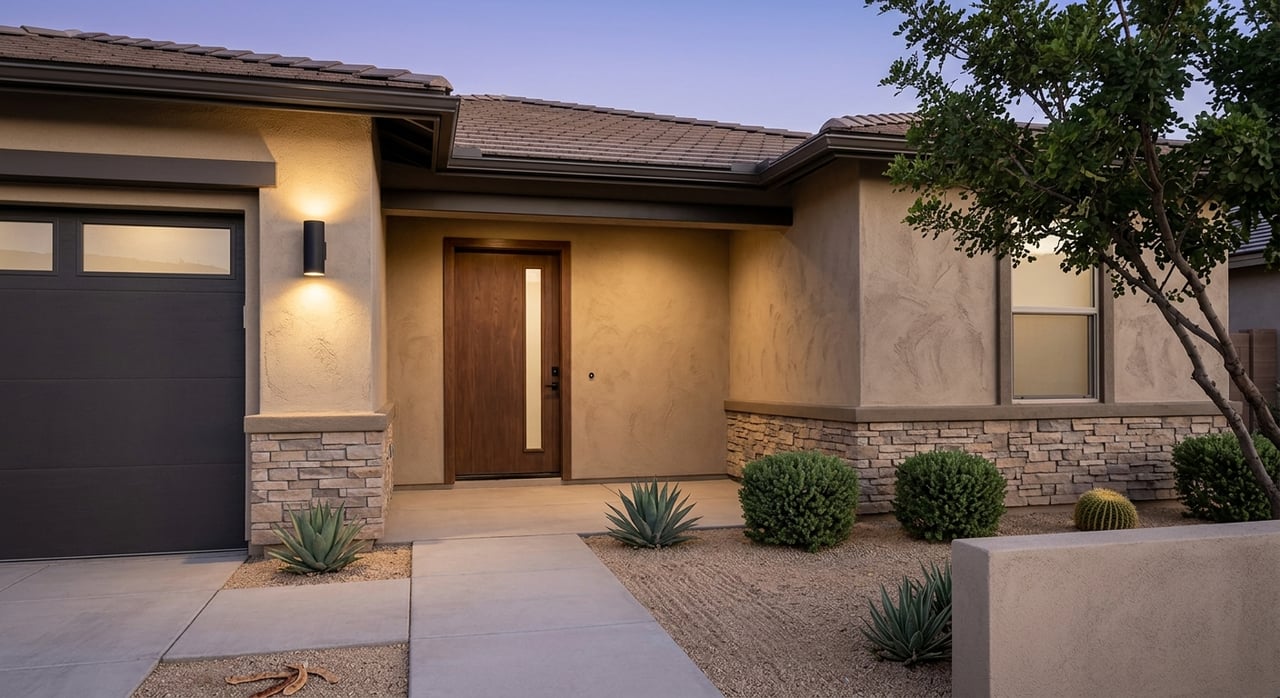
Selling your home is a big move, and if you are wondering what it really looks like to list with a team, you are not alone. In Gilbert, where pricing, timing, and presentation can all shape your result, many sellers want a process that feels organized from day one. The good news is that a team-backed listing experience can bring structure, consistent communication, and broader marketing support. Let’s walk through what you can expect.
Why a Team Approach Matters in Gilbert
Gilbert is a large and active market, with a 2024 population estimate of 289,260 and a median household income of $121,543. It is also a market where each subdivision, price point, and home condition can perform differently. That means your listing strategy should be specific to your home, not generic.
Recent market data placed Gilbert’s median sale price in the mid-$500,000s, with a median sale price of $576,655 over the three months ending May 2026. Homes were taking about 45 median days on market, and Redfin reported roughly two offers on average. Realtor.com also described Gilbert as a seller’s market in May 2026, even as asking prices were down year over year, which reinforces why smart pricing and polished presentation still matter.
A team can help because your sale is rarely just about putting a sign in the yard. It usually involves pricing analysis, property preparation, media planning, showing coordination, buyer communication, offer review, and contract-to-close management. For many sellers, that kind of shared support creates a calmer experience.
What Happens Before Your Home Goes Live
Pricing Starts the Process
One of the first things you can expect is a pricing conversation based on current market conditions. In Gilbert, even with healthy demand, buyers still compare value closely, especially when multiple homes compete in the same area and price band. Your team should help you position the home to attract strong early interest.
This step is important because the first version of your listing needs to be competitive from the start. If your home launches too high or without the right preparation, you may miss the most active buyer window. A team-backed process helps align price, timing, and marketing before the listing is syndicated.
Prep Work Comes Next
Before photos and showings begin, you should expect a preparation phase. This often includes decluttering, deep cleaning, and improving curb appeal, which were among the most common seller recommendations in NAR’s 2025 staging survey. These steps may sound simple, but they can make a meaningful difference in how buyers respond.
Staging support is not just about looks. In that same NAR survey, 29% of agents said staging increased the dollar value offered by 1% to 10%, and 49% said it reduced time on market. In a market like Gilbert, where buyers often make quick online decisions, presentation can directly affect both speed and price.
Media Quality Is a Big Deal
Most buyers start online, which makes your launch materials especially important. NAR’s 2024 buyer report found that 41% of buyers first looked online for properties, 52% found the home they purchased on the internet, and 72% used a mobile or tablet device during their search. Photos were one of the most useful features for most buyers, with detailed property information and floor plans also ranking highly.
That is why a team-backed listing often puts strong emphasis on professional visuals and accurate listing details before going live. You want buyers to see a polished, complete presentation the first time they come across your home. In many cases, that first impression determines whether they schedule a showing.
What Paperwork Should You Expect
Selling a home in Arizona comes with real disclosure responsibilities. Most sellers provide a Seller’s Property Disclosure Statement, often called the SPDS, and ADRE notes that the disclosure obligation remains even if no SPDS is provided. If your home was built before 1978, you should also expect a lead-based paint disclosure form.
If your property is part of an HOA, you should expect to review governing documents, including CC&Rs, and be aware that some HOAs charge fees when a property is sold. A team can help you organize these items early so they do not become last-minute issues. This part of the process is about accuracy and preparation, not guesswork.
ADRE also notes that the broker is not responsible for verifying the accuracy of SPDS items. In practical terms, that means you should treat disclosures as a factual exercise based on what you know about the property. A thoughtful team process can help you slow down, review details carefully, and avoid avoidable mistakes.
What Showings Are Usually Like
Once your home is live, the showing phase begins. In a team setting, you can usually expect coordinated scheduling, communication about access, and feedback collection after tours when available. That support can be especially helpful if you are balancing work, family, or a move on a tight timeline.
Arizona sellers should also know that ADRE warns properties may be subject to video or audio surveillance, and buyers are often advised to be careful about what they discuss during showings. It is one more reason why showings should be handled thoughtfully and professionally. The goal is to create a smooth experience while protecting your position.
You may also hear questions from buyers about property details during this period. ADRE notes that MLS printouts are treated like advertisements and may be inaccurate, incomplete, or approximate, so important details should be verified through disclosures, title information, and public records. A team can help make sure buyers receive clear, consistent information as questions come up.
How Repairs and Inspections Fit In
Many sellers are surprised that inspections affect the listing process long before closing. ADRE says professional inspections are absolutely essential and there is no practical substitute. Because of that, buyers often look closely at maintenance issues and major systems once they are under contract.
Common Arizona inspection topics can include roof condition, pools and spas, sewer concerns, water or well issues, pests and termites, flood status, and property boundaries. That is why sellers often focus on obvious maintenance items before listing. Taking care of visible issues early can help reduce friction later.
A team-backed approach often helps you decide which repairs are worth addressing before launch and which should simply be disclosed clearly. That balance matters. You want the home to show well and inspire confidence, while staying realistic about time, cost, and return.
What to Expect When Offers Arrive
When offers start coming in, the process becomes more than a price comparison. Buyers may be working with loan, inspection, and appraisal contingencies, and those terms can shape your actual risk and timeline. A strong offer is the one that best matches your goals, not always the one with the highest top-line number.
ADRE warns that waiving contingencies can put earnest money at risk or create damages, which highlights why contract review and deadline tracking matter. A team-backed listing experience often includes side-by-side offer comparison, communication with buyer representatives, and careful monitoring of response deadlines. That kind of structure can help you make a more confident decision.
If you are also considering a speed-focused sale path, such as an instant offer, transparency matters. Arizona law requires wholesale buyers and wholesale sellers of residential real property to disclose their status in writing before a binding agreement. If that disclosure requirement is violated, either side may be able to cancel, so clarity is essential.
How Long the Process May Take
One of the most common seller questions is timing. Recent Gilbert market data showed about 45 median days on market, while NAR’s buyer data found that buyers searched for a median of 10 weeks nationally. Your actual timeline will depend on pricing, condition, buyer demand, and how smoothly the contract phase moves.
In general, the listing process often follows this sequence:
- Pricing and planning
- Home preparation
- Photography and listing setup
- Active showings
- Offer review and negotiation
- Inspection and appraisal period
- Escrow and closing
With a team, the goal is usually to keep each stage moving without losing sight of details. That does not mean every sale is fast, but it can mean fewer surprises and better coordination along the way.
What Closing Usually Involves
Once you are under contract, your focus shifts to escrow and final steps. ADRE notes that the title report or commitment lists exceptions such as easements and liens, and it should be reviewed carefully with the title or escrow officer, legal counsel, or a surveyor if needed. This is a key part of making sure there are no surprises attached to the property.
You should also be alert to wire fraud. NAR warns that wiring instructions should be verified through a trusted, verified phone number before any funds are sent. A careful, organized closing process helps protect both your timeline and your proceeds.
What a Good Team Experience Feels Like
At its best, listing with a team should feel both polished and personal. You should know what is happening, what comes next, and where your attention is needed. The experience should give you the benefit of broader marketing reach and process support without making you feel like just another transaction.
For many Gilbert sellers, that combination matters. You want thoughtful advice, strong presentation, and steady advocacy from list date to closing day. When those pieces work together, the process tends to feel more manageable and more strategic.
If you are thinking about selling in Gilbert and want a calm, organized plan built around your goals, Jennifer Vandall - Main Site offers a relationship-first approach backed by team-level marketing and support.
FAQs
How long does it take to sell a home in Gilbert?
- Recent Gilbert market data showed about 45 median days on market, but your timeline can vary based on price, condition, buyer demand, and contract terms.
What paperwork do Arizona home sellers usually complete?
- Many Arizona sellers should expect a Seller’s Property Disclosure Statement, HOA document review if applicable, title-related paperwork, inspection responses, and a lead-based paint disclosure form for homes built before 1978.
Why do staging and professional photos matter for a Gilbert listing?
- Buyers often start their search online, and research shows photos, detailed property information, and floor plans strongly influence whether they decide to view a home.
What does a real estate team help with during a home sale?
- A team-backed listing often helps with pricing, preparation, marketing, showing coordination, buyer communication, offer review, deadline tracking, and escrow-to-close management.
What should Gilbert sellers know about inspections and repairs?
- Buyers in Arizona often review issues like roof condition, pools and spas, sewer, pests, water concerns, flood status, and boundaries, so sellers often address visible maintenance issues before listing and disclose known facts clearly.
What should Arizona sellers know about instant offers or speed-focused sale options?
- If you consider a speed-focused sale path, Arizona law requires certain wholesale buyers and wholesale sellers to disclose their status in writing before a binding agreement, so transparency should be part of your review.