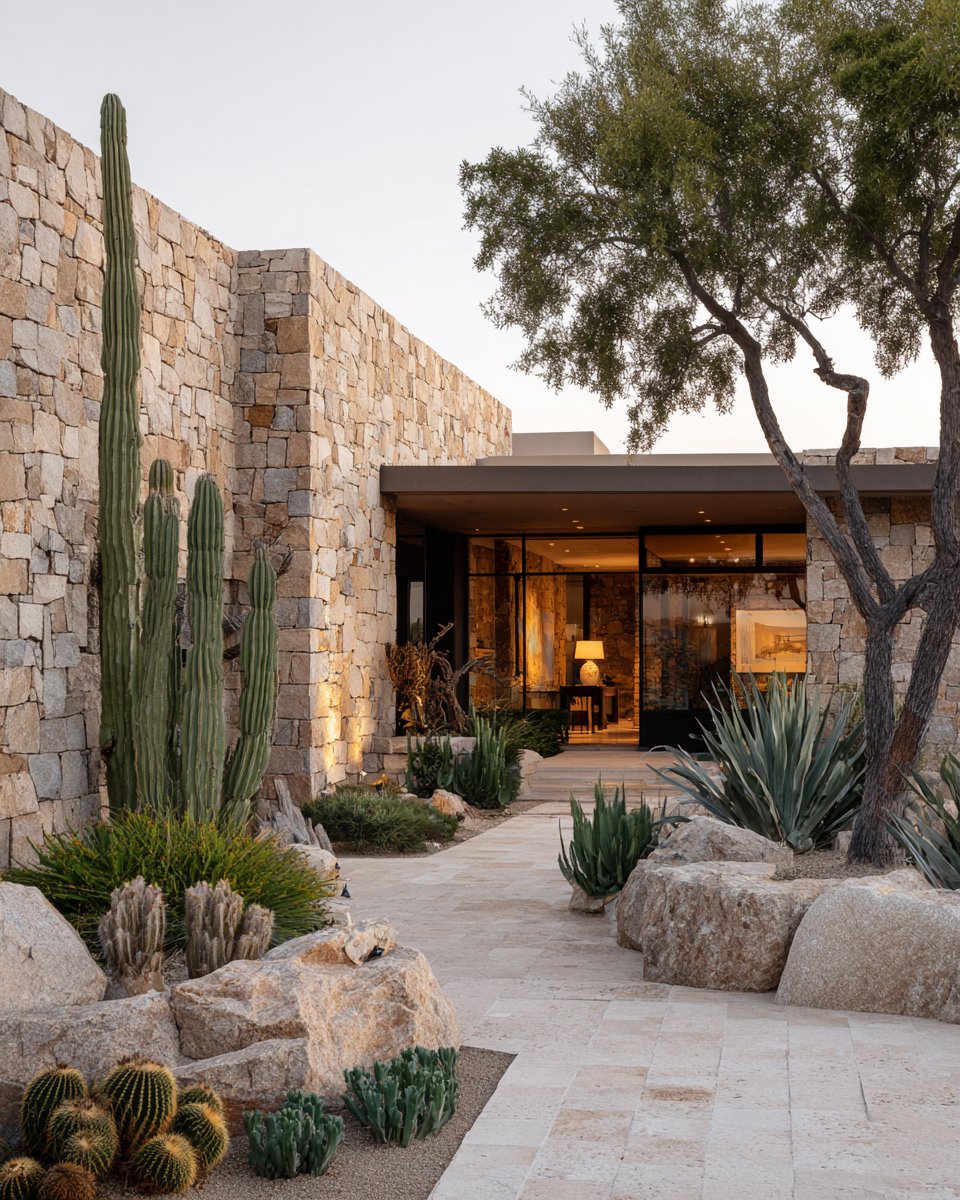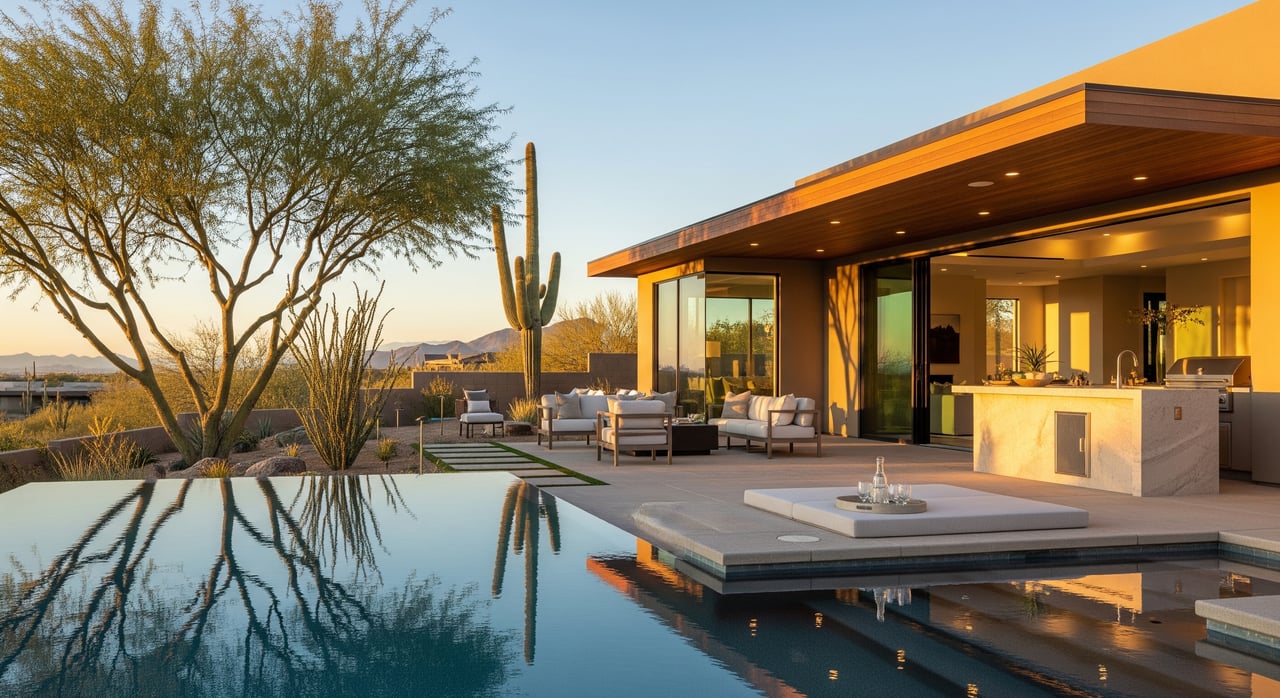
Dreaming of a neighborhood where the pool, park, and school run all fit into your daily rhythm? Gilbert’s master-planned communities make that lifestyle possible with thoughtful design, shared amenities, and a strong sense of place. If you are considering a move to the East Valley, you want a clear picture of what everyday life looks like, how HOAs work, and what to expect for commutes and schools. This guide walks you through the essentials so you can decide which community is the right fit for you. Let’s dive in.
What master-planned living means
Master-planned communities, or MPCs, are large neighborhoods designed with a mix of homes, parks, and trails, all guided by community rules and an HOA. The goal is a consistent streetscape, easy access to recreation, and connected sidewalks and paths. In Gilbert, you often see family-friendly features like playgrounds, pools, and shaded green space.
You can also find locally themed elements. Some communities add small commercial hubs or garden and farm touches that bring neighbors together. Most MPCs have CC&Rs that set standards for maintenance and exterior changes, which helps protect curb appeal over time.
Everyday life in Gilbert MPCs
Walkability and trails
Inside many MPCs, you can walk to pocket parks, playgrounds, and community pools along sidewalks and multi-use paths. Walkability to grocery or dining varies by neighborhood. Some include on-site retail or sit next to shopping, while others are purely residential and require a quick drive for errands.
If walking routes to school matter to you, ask for developer or HOA maps that show paths, crossings, and traffic-calming features. These details make a big difference in daily routines.
Pools, parks, and community centers
A major perk of MPC living is access to shared recreation. Many neighborhoods offer pools, splash pads, sports courts, and reservable ramadas. Larger communities may host holiday events, classes, or team activities.
Town facilities expand your options. You can explore programs, classes, and destination parks through Gilbert Parks and Recreation. Proximity to regional amenities can be a nice plus if you love outdoor time.
Schools and school boundaries
Gilbert sits across multiple districts, and many addresses are served by Gilbert Public Schools. Boundaries change at times, so always confirm assignments directly with Gilbert Public Schools. Some pockets fall into other districts, and charter and private options are available nearby.
Many MPCs highlight their distance to local schools, and some areas have established bus routes or walk zones. If school proximity is a priority, verify the route and crossing details for your specific address.
Daily conveniences and healthcare
Most MPCs are close to everyday needs like groceries, coffee, and takeout. Some include neighborhood retail inside the community plan. Healthcare is widely available across the East Valley, including clinics, pediatricians, and urgent care centers. Your exact access will vary by location.
Transit and commuting
Gilbert is largely car-oriented. Valley Metro provides bus service in parts of town, and the region continues to plan transit improvements. Use Valley Metro trip planning and live maps to compare commute times to Chandler, Tempe, Mesa, or Phoenix based on your schedule.
If you work in a major job center, ask about employer shuttles or flexible hours to smooth out peak traffic.
Climate and seasons
You will experience very hot summers and mild winters. Families often shift outdoor time to mornings or evenings in summer and enjoy peak outdoor season from fall through spring. Community features like shaded play areas and pool schedules can add comfort during the warmest months.
Homes and neighborhoods
Home types and architecture
Gilbert MPCs are known for single-family homes, from efficient single-story plans to larger multi-bedroom designs. You will also find patio homes and townhomes in some neighborhoods, and a few communities include age-restricted or active-adult sections. Architectural styles range from Southwestern and Spanish influences to updated contemporary and traditional elevations.
Pricing and demand
Prices vary by lot size, age of the community, amenity level, and school assignment. Neighborhoods with robust amenities and strong maintenance standards often carry a premium and can show solid resale demand. For current stats on median prices and time on market, check regional updates from Arizona REALTORS or request recent MLS data for the specific area you are targeting.
Resale and maintenance
Consistent landscaping and community standards can support long-term value. Desert-friendly yards reduce watering and upkeep, which many owners appreciate. Before you buy, review the HOA’s rules on exterior changes and any planned capital projects, since these can affect both lifestyle and future resale.
HOAs in practice
What dues cover
Most MPCs have an HOA or community association that maintains common areas and enforces CC&Rs. Dues are often monthly, quarterly, or annual. Your fee typically covers landscaping of common areas, pool and park upkeep, insurance for community structures, and management costs. Some neighborhoods also have tiered fees for premium amenities.
Rules to know
Expect standards for exterior appearance and an architectural review for major changes. Common rules address pets, leasing policies, parking, and storage of RVs or boats. Short-term rental rules and minimum lease terms vary, so confirm the latest guidelines before you commit.
Smart due diligence
Before you make an offer, request and review:
- CC&Rs, bylaws, rules and regulations, and recent meeting minutes
- The current budget, reserve study, and any special assessments
- Whether the community is still under developer control
- The frequency of dues increases and any recent litigation
For consumer guidance on HOAs and resale disclosures, visit the Arizona Department of Real Estate. If you have legal questions about planned community statutes, review the Arizona Revised Statutes through the Arizona Legislature site. For parcel and property tax details, consult the Maricopa County Assessor.
Safety and municipal services
Gilbert is known for strong municipal services, and many residents perceive it as safe relative to larger urban cores. For current, location-specific crime data and resources, use the Gilbert Police Department. Always compare addresses you are considering and review trends over time.
How Gilbert compares nearby
Chandler
Chandler offers similar family amenities and a strong employment base, with some neighborhoods closer to major tech and manufacturing corridors. If commute time is a top factor, compare peak-hour drive times from both Gilbert and Chandler to your workplace.
Mesa
Mesa has a larger footprint with a wide mix of older and newer areas. Parts of Mesa offer more entry-level price points, along with growing development in select corridors. Evaluate neighborhood-by-neighborhood for school districts, lot sizes, and commute routes.
Queen Creek
Queen Creek includes newer suburban growth and areas with a more rural feel. You may see larger lots in some pockets. If you want more land and do not mind a longer drive to job centers, it can be a good fit to explore.
Scottsdale and Tempe
Scottsdale tends to run higher on price with resort-style amenities in many areas. Tempe is more urban and college-oriented, with shorter commutes to central Phoenix. Compare tax and utility differences along with commute and school districts before you decide.
Choose your fit: quick checklist
Use this checklist as you tour communities and model homes:
- Walkability: Are parks, pools, and paths easy to reach on foot or bike?
- Commute: What are peak-hour drive times to your workplace from the neighborhood?
- Schools: Have you verified boundaries and programs with the district?
- HOA: What do dues cover, and are there any pending assessments or rule changes?
- Amenities: Which facilities matter most to you, and how often will you use them?
- Homes: Do floor plans, lot sizes, and storage meet your daily needs?
- Resale: How do CC&Rs and community maintenance support long-term value?
Ready to tour the communities that match your lifestyle and goals? Get tailored guidance, on-the-ground insights, and data you can trust. Schedule a Consultation with Jennifer Vandall - Main Site for a calm, concierge-level path to your next home.
FAQs
What is a master-planned community in Gilbert?
- It is a large neighborhood designed with a mix of homes, parks, trails, and shared amenities, guided by CC&Rs and an HOA that maintains common areas and sets community standards.
Are Gilbert master-planned communities walkable to stores?
- Many are walkable to internal parks and pools, while access to grocery and dining varies by neighborhood; some include on-site retail and others require a short drive.
How do HOA fees and rules typically work?
- Dues usually fund landscaping, pools, parks, insurance for common areas, and management; rules often cover exterior changes, pets, parking, and rental policies, which you should review before buying.
How can I confirm school boundaries for a specific address?
- Check assignments and maps directly with Gilbert Public Schools, and verify any bus routes or walk zones that impact your daily routine.
Where can I review safety data for a neighborhood?
- Use the Gilbert Police Department resources and other crime tools to compare addresses and trends before you decide.
What are my public transit options for commuting?
- Gilbert is mostly car-oriented, but you can use Valley Metro to plan bus routes, check schedules, and compare options alongside live driving times.