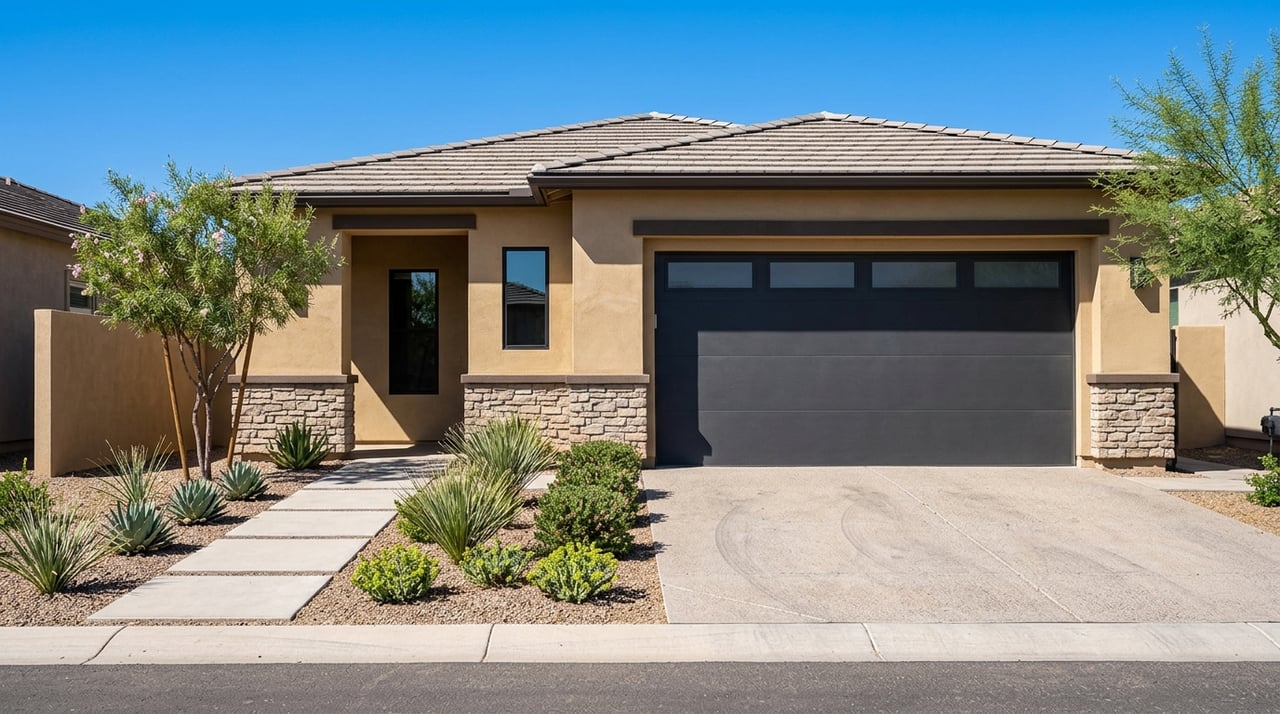
If you’re moving up in Chandler, the biggest challenge usually is not finding a home. It’s figuring out how to buy and sell without adding unnecessary stress, extra costs, or bad timing. When you understand your options before you list or shop, you can protect your cash flow, make stronger decisions, and move with a lot more confidence. Let’s dive in.
Why move-up planning matters in Chandler
A move-up sale is more complex than a standard buy or sell because both sides affect each other. Your sale price, timing, loan approval, and monthly payment all work together, so one weak spot can create pressure fast.
In Chandler, the market still gives you opportunity, but it also rewards preparation. According to Redfin’s Chandler housing market data, the median sale price was $557,500 in February 2026 and homes averaged 51 days on market. Realtor.com’s March 2026 Chandler snapshot also shows a market where pricing and strategy matter, with 1,006 active listings, a $530,000 median listing price, 43 days on market, and a 99% sale-to-list ratio.
That means you may still sell well, but you should not assume your current home will sell instantly. At the same time, if you are buying a higher-priced home, today’s mortgage rates can make overlap more expensive than many families expect.
Know the Chandler-to-Gilbert price gap
For many Chandler homeowners, Gilbert is a common move-up destination in the East Valley. But the jump is not always small, and citywide averages do not tell the whole story.
Realtor.com’s Gilbert market data shows a $618,000 median listing price in March 2026, compared with Chandler’s $530,000 median listing price. That is about an $88,000 difference, or roughly 16.6% higher.
The gap can get larger depending on the neighborhood you target. In February 2026, Bridges at Gilbert had a $759,950 median sale price, while The Islands was at $627,500. That is why your preapproval should be based on the specific area and price range you want, not just a citywide estimate.
Start with your monthly payment
A lot of move-up buyers focus on the price of the next home first. In practice, your monthly payment and short-term carrying costs often matter more.
Freddie Mac reported a 6.37% average for the 30-year fixed-rate mortgage on April 9, 2026. At that rate, even a modest jump in purchase price can noticeably raise your payment, and carrying two homes for even a short period can get expensive.
Before you decide how to sequence your move, look at these numbers:
- Estimated net proceeds from your current sale
- Down payment for your next home
- New monthly mortgage payment
- Closing costs on both transactions
- Moving costs and possible repair costs
- Any overlap period where you may carry two housing payments
The Consumer Financial Protection Bureau homebuying guide also reminds buyers to budget for closing costs, moving expenses, repairs, and ongoing homeownership costs. That advice is especially important for move-up households trying to stay flexible.
Sell first for the lowest risk
For most Chandler move-up buyers, selling first is the cleanest and lowest-risk strategy. You get a clear picture of your net proceeds before you commit to the next purchase, which can make budgeting much easier.
This approach also fits the current market pace well. With Chandler and Gilbert both showing roughly 43 to 44 days on market in Realtor.com’s summaries, a sell-first plan can help you avoid guessing about timing while still keeping your next move realistic.
The CFPB notes that if you want to move, you normally try to sell your current home before buying another one. That path tends to work best if you are cash-conscious, sensitive to monthly payment changes, or simply want fewer moving parts.
When sell-first makes sense
Sell first may be your best option if:
- You want to avoid carrying two mortgage payments
- You need sale proceeds for your down payment
- You want a more accurate budget before shopping
- You prefer the least financial risk
- You can be flexible with short-term housing if needed
Buy first if flexibility matters most
Buying first can make sense when your equity is strong, your savings are healthy, and you need more control over your next home search. This strategy is often appealing if you do not want the pressure of finding a replacement home after your current home closes.
The trade-off is simple: more convenience usually means more financial exposure. If your current home does not sell right away, you may have two housing payments, plus utilities, insurance, and maintenance costs for a period of time.
The CFPB explains that a temporary or bridge loan is financing with a term of 12 months or less, often used when someone plans to buy a new home and sell the current one within that window. That can help remove a sale contingency, but it only works well if the overlap is truly manageable.
When buy-first may fit
Buy first may be worth considering if:
- You have substantial equity and cash reserves
- You need to secure a specific home or neighborhood quickly
- You want to avoid temporary housing
- You can comfortably carry short-term overlap costs
- Your financing is already well organized
Use contingencies strategically
Some move-up buyers land in the middle. You may want protection from selling your current home, but you also want to make a competitive offer on the next one.
In that case, contingencies can help. The CFPB recommends making an offer contingent on financing and a satisfactory inspection, and Freddie Mac’s contingency overview explains that a home-sale contingency gives you a set period to sell your current home before the new purchase goes through.
The challenge is that sellers often see a home-sale contingency as added risk. This strategy tends to work better when your current home is priced well, your financing is already lined up, and your timeline is realistic.
How to strengthen a contingency-based offer
If you need to buy and sell at the same time, these steps can help:
- Get fully preapproved early
- Price your current home realistically from day one
- Prepare your current home before it hits the market
- Keep financing and inspection contingencies clear and clean
- Build a timeline that matches local market conditions
Bridge the gap between closings
Even with a strong plan, the two closings may not line up perfectly. That is normal, and it does not always require a major workaround.
Two common tools are rent-back agreements and seller credits. Fannie Mae’s guidance on rent-related credits explains that a rent-back credit can allow the seller to remain in the home for a specified period after closing, although that credit cannot be used as qualifying funds for a down payment, closing costs, or reserves.
The CFPB also notes that if agreed repairs are not completed, a seller may provide money toward the buyer’s closing costs instead. In the right situation, these tools can give you a few extra weeks of breathing room and reduce the odds of moving twice.
How much gap should you leave?
There is no single perfect answer, but you should plan around real transaction timing. Freddie Mac notes that the closing period typically runs about 30 to 45 days after an offer is accepted.
That means if you sell first, you may still need a short-term rental or another temporary setup if your next home is not ready yet. A small buffer can be helpful, especially if your move involves repairs, lender timelines, or a more competitive purchase.
Consider fast-sale options carefully
If your top priority is certainty and speed, an instant-offer or iBuyer route may be worth reviewing. This can appeal to households dealing with job relocations, tight timelines, or a strong desire to avoid showings and open houses.
According to Bankrate’s overview of instant home offers, iBuyers can make cash offers quickly, sometimes within days or even hours, and the process can reduce the hassle of traditional showings. But Bankrate also notes that service fees can be close to a traditional agent commission.
That is only part of the equation. Bankrate’s Opendoor review notes that final offers often come after an in-person assessment, with repair and closing costs deducted, and the final number may come in below full market value.
When a fast-sale option may be useful
This path may make sense if:
- You need a quick and predictable closing
- You want to reduce disruption at home
- You are comfortable trading some net proceeds for convenience
- You need to move quickly into a higher-priced area
For many sellers, though, the key question is not whether a fast offer is available. It is whether the speed is worth the likely trade-off in proceeds.
A practical Chandler move-up game plan
If you want the smoothest path, start by choosing your risk level honestly. Most stress in a move-up transaction comes from trying to force a plan that does not match your finances, timeline, or comfort level.
Here is a simple way to think about it:
Lowest risk
- Sell first
- Line up financing early
- Keep your next offer contingent on financing and inspection
- Use a short rent-back if you need a little extra time
Moderate risk
- Explore a bridge loan or coordinated contingency plan
- Compare multiple lenders carefully
- Be realistic about overlap costs and timing
The CFPB advises buyers to compare three to five lenders because fees and loan terms can vary. That step can matter even more when you are juggling two transactions.
Highest urgency
- Consider an instant-offer route or another fast-sale strategy
- Be clear about the trade-off between price and certainty
- Focus on minimizing disruption, not maximizing every dollar
This can be especially relevant if you are trying to buy in a higher-priced Gilbert area where the payment jump is already meaningful.
Timing your move in spring
If you are planning a spring 2026 move, timing deserves a close look. Realtor.com’s 2026 best time to sell analysis, as cited in the market context above, points to the week of April 13 through 19 as a period that tends to bring higher prices, more views, less competition, and faster sales nationally.
No national trend guarantees a specific result in Chandler, but it does reinforce the value of preparing early. If you want to move during peak spring activity, having pricing, financing, home prep, and a backup timing plan in place can make a major difference.
A smooth move-up is rarely about luck. It is usually the result of clear planning, realistic numbers, and a strategy built around your actual priorities. If you want a calm, well-organized plan for buying and selling in Chandler or anywhere in the East Valley, Jennifer Vandall - Main Site can help you map out the right path with personalized guidance.
FAQs
Should I sell my Chandler home first before buying another one?
- For many move-up buyers, selling first is the lowest-risk option because it gives you a clearer picture of your proceeds, budget, and monthly payment before you commit to the next home.
How much time should I leave between selling and buying in Chandler?
- Many closings take about 30 to 45 days after an offer is accepted, so you may want a small buffer or a short-term backup plan if the two transactions do not line up perfectly.
When is a bridge loan worth it for a move-up purchase?
- A bridge loan can make sense if you have strong equity, healthy savings, and the ability to handle short-term overlap costs while you buy first and sell soon after.
Can a home-sale contingency still work in the Chandler market?
- Yes, but it is usually stronger when your current home is priced well, your financing is already lined up, and your overall timeline is realistic.
Is moving from Chandler to Gilbert always a big price jump?
- Not always, but current data shows Gilbert’s median listing price is higher than Chandler’s, and the difference can become much larger in specific Gilbert neighborhoods.